
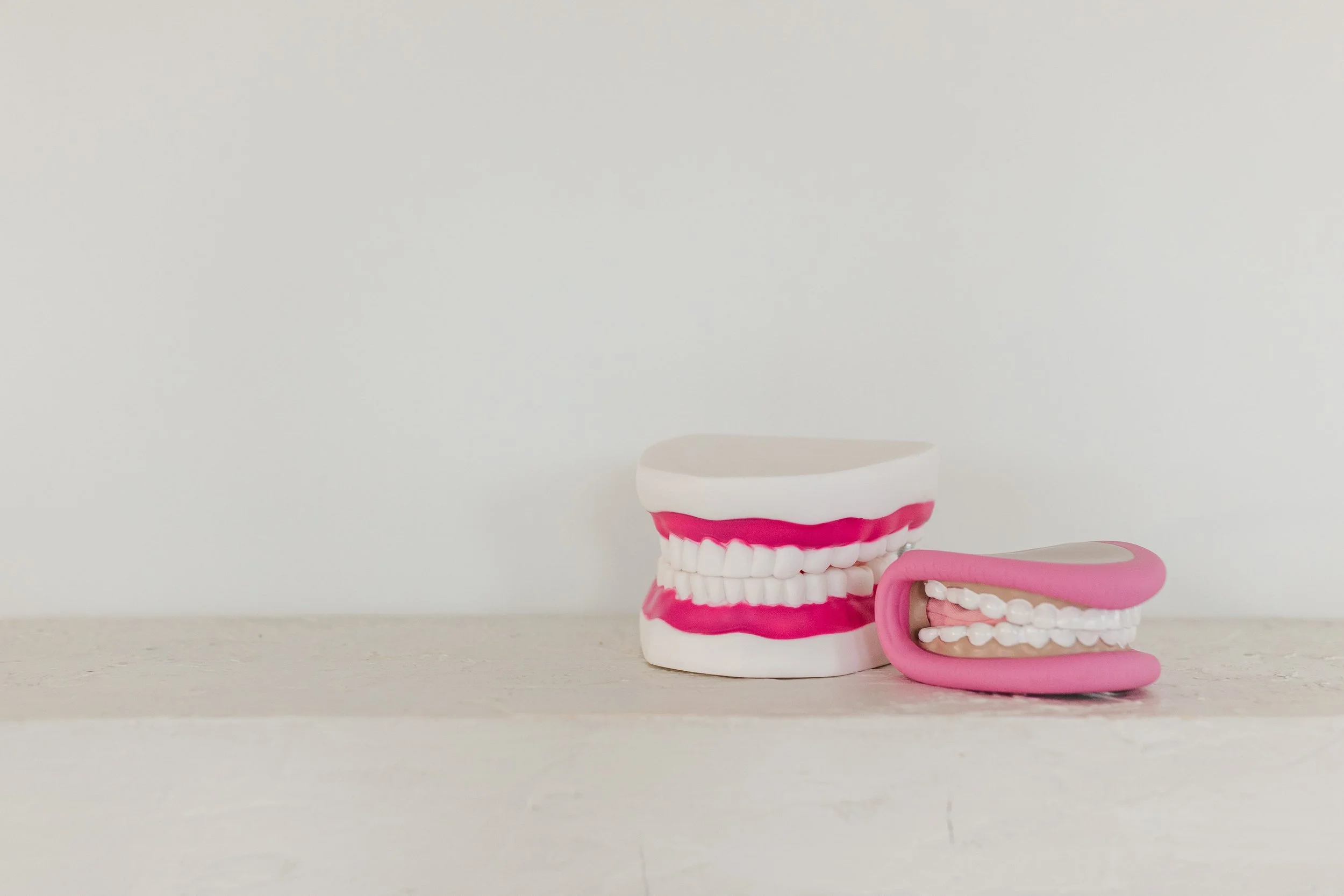
How it Works
Discover the four core goals of myofunctional therapy and what you can expect when you start therapy with us

Nasal Breathing
Encourage healthy breathing through the nose to support facial growth, airway health, and better sleep.

Tongue Posture
Train the tongue to rest in the correct position to improving oral function and stability.
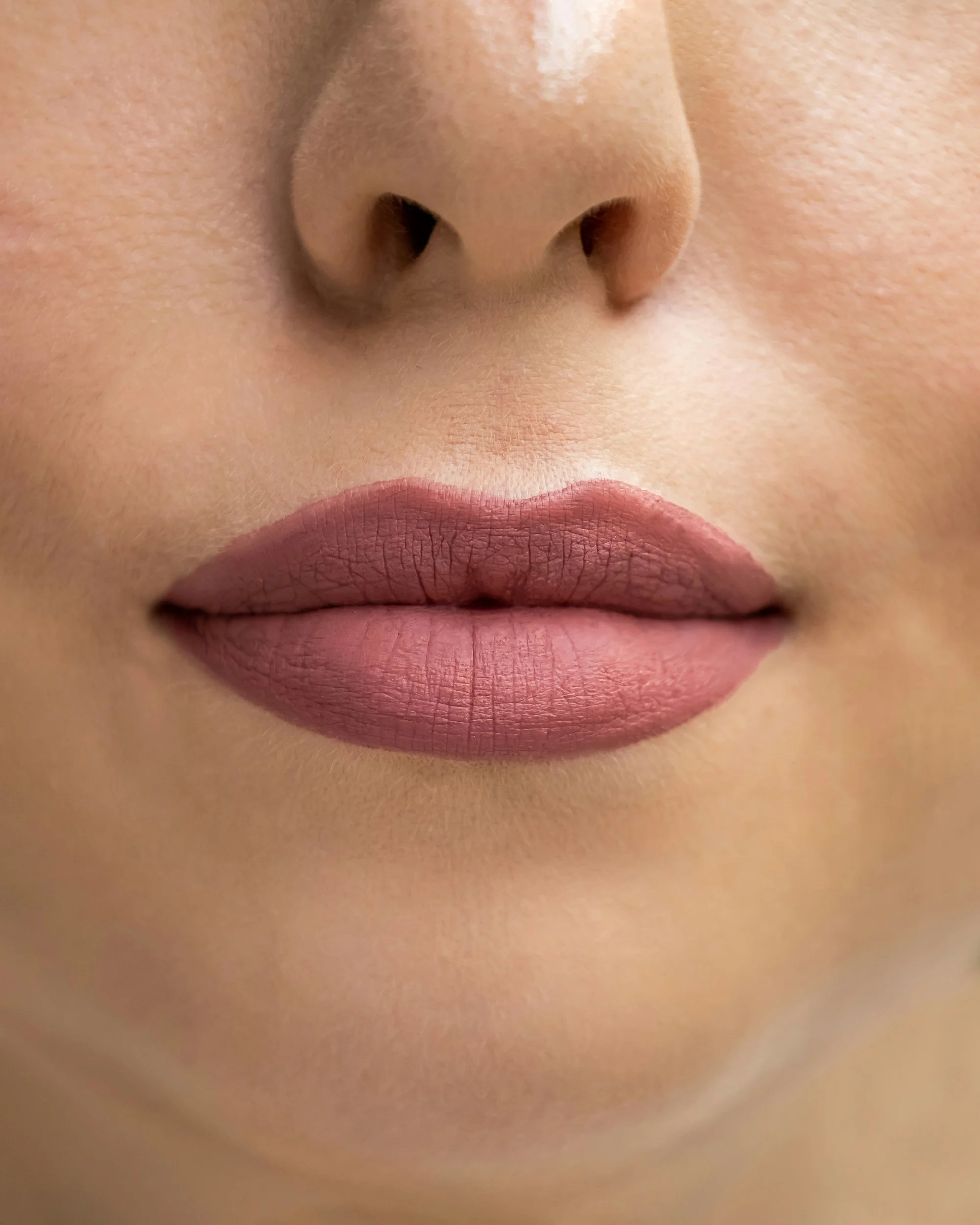
Proper Lip Seal
Keep the lips gently closed to promote nasal breathing, reduce the risk of dental problems, and support good sleep.

Heathy Swallowing Pattern
Eliminate tongue thrust and retrain swallowing for better digestion and long-term oral balance.
How Long Does Myofunctional Therapy Take?
What to Expect
The honest answer is that it depends on the individual. However, there are consistent patterns that give most families a realistic idea of what to expect.
-
The early phase of therapy is about building awareness and establishing the basics. Many clients have spent years in patterns they weren't even conscious of — mouth breathing, low tongue posture, altered swallowing. Before we can retrain those patterns, we have to bring them into awareness. Sessions in this phase focus on foundational exercises, proper technique, and habit recognition.
What clients often notice: increased awareness of how they breathe and swallow, early muscle engagement, and a clearer understanding of what they're working toward.
-
This is where the structured neuromuscular re-education work happens. Exercises become more targeted, patterns begin to shift, and clients start to notice functional changes in their daily life. Consistency between sessions matters most here — the work done at home between appointments is what drives progress.
What clients often notice: more automatic nasal breathing, improved tongue rest posture, changes in swallowing pattern, and in some cases improved sleep quality.
-
The goal in this phase is making new patterns automatic — not something you have to think about, but something your body does on its own. Sessions become less frequent as habits stabilize. Progress is monitored and the plan is adjusted as needed.
What clients often notice: habits feel more natural, less conscious effort required, and functional improvements feel more consistent.
Understanding Myofunctional Therapy
Orofacial myofunctional therapy is a structured, exercise-based program that retrains the muscles of the mouth, tongue, face, and throat. When these muscles develop imbalanced patterns — from mouth breathing, tongue thrust, low tongue posture, or oral habits — they can quietly affect breathing, sleep, jaw development, and orthodontic stability. Therapy works by identifying those patterns and systematically retraining them through targeted neuromuscular exercises and habit awareness strategies.
Step 01
Comprehensive evaluation
Your therapist takes a close look at how your oral and facial muscles are functioning at rest and in motion — including tongue posture, swallowing pattern, lip seal, and breathing habits.
Photographic and video documentation
Swallowing pattern assessment
Airway and breathing observation
Full explanation of all findings
Step 02
Personalized therapy plan
No two cases are the same. Your plan is built around your specific muscle patterns, goals, and any related dental or medical care you're already receiving.
Customized exercise program
Habit awareness strategies
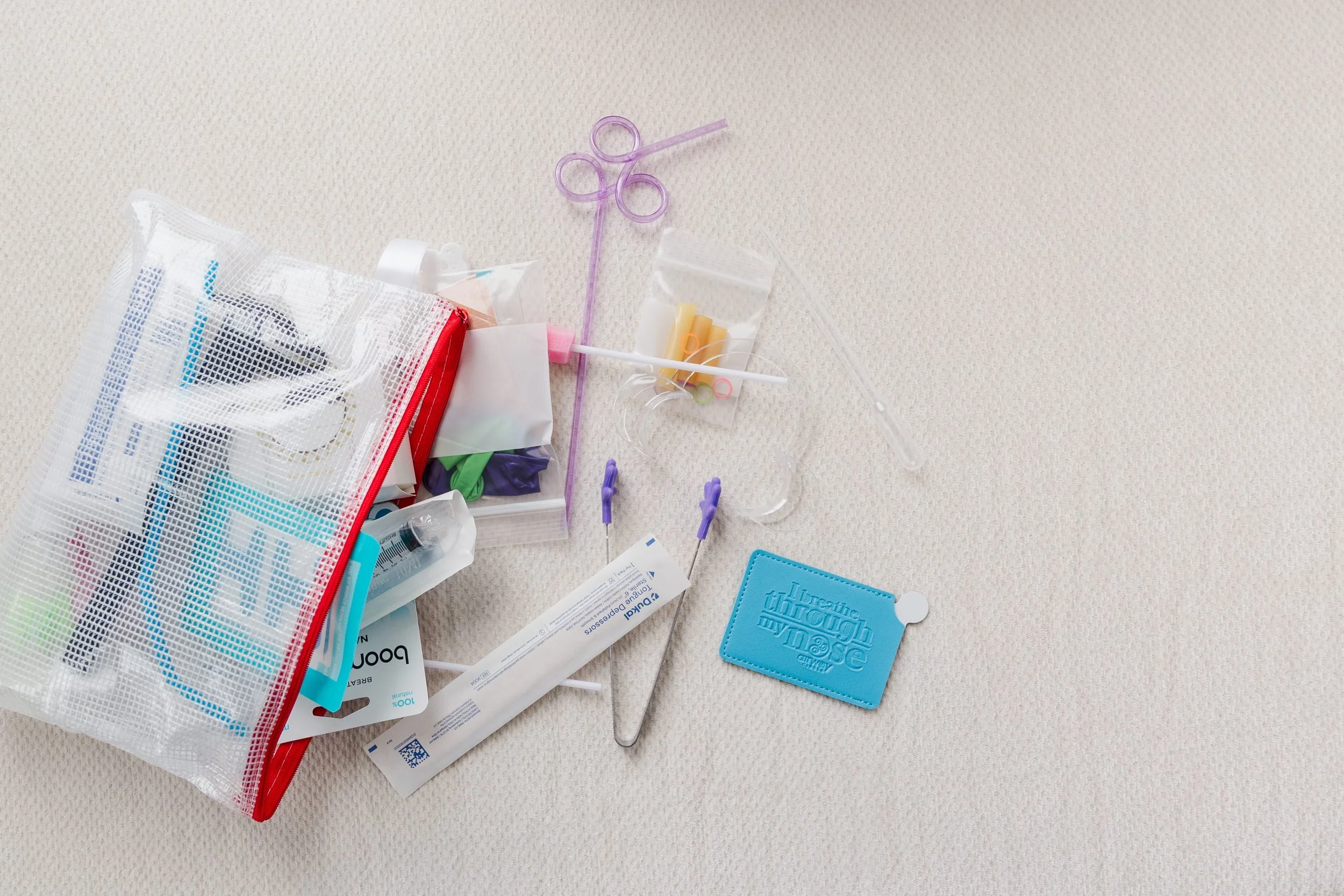
Therapy toolkit included
Coordination with your dental or medical team
Step 03
Guided neuromuscular retraining
Sessions combine step-by-step instruction, live demonstration, and accountability check-ins. Exercises are practiced at home daily and refined over time as new patterns are established.
Tongue strengthening and positioning
Nasal breathing habituation
Swallowing pattern correction
Lip and facial muscle coordination
Step 04
Progress monitoring
Therapy typically spans 6–12 months. Your therapist tracks progress, adjusts the program, and ensures new muscle patterns are becoming automatic — not just temporary improvements.
Ongoing accountability and support
Virtual follow-up sessions available
Milestone check-ins and re-evaluation
Orofacial & Airway Issues Supported by Myofunctional Therapy
Breathing Patterns
Chronic mouth breathing
Low nasal airflow
Disrupted breathing during sleep
CPAP compliance difficulties
Tongue Function
Low or forward tongue posture
Tongue thrust during swallowing
Restricted tongue movement
Tethered oral tissues (tongue tie)
Oral Habits
Thumb or finger sucking
Nail biting or object chewing
Jaw clenching or grinding
Open-mouth resting posture
Dental and Structural
Orthodontic relapse prevention
Support before or after jaw surgery
Facial development in children
TMJ muscle tension
Go From This
Child snores, sleeps restlessly, breathes through mouth
Teeth keep shifting after braces
Waking up tired despite a full night of sleep
Feeling frustrated and unsure without clear answers
Scattered advice, random exercises, nothing connecting
To This
Sleeping more soundly, breathing through the nose
Functional muscle patterns supporting long-term stability
Waking more refreshed with improved energy during the day
Finally heard, informed, and supported with a clear plan
A structured program where everything connects
Patients Who Complete Myofunctional Therapy Often Report Life-Changing Results
For children
Better sleep and calmer routines
Improved daytime focus and energy
Reduced open-mouth posture
Greater body and breath awareness
Support for facial development
For adults
Feeling more rested upon waking
Reduced jaw tension and grinding
Improved CPAP tolerance
Better understanding of airway health
Less facial and neck muscle tension
Orthodontic and dental
Improved orthodontic stability
Support long-term results
Support before or after oral surgery
Healthier long-term oral development
Emotional and mental
Moving from confusion to clarity
Feeling heard and supported
Confidence in a proactive plan
Peace of mind for parents
"In a review of 50 clinical studies, 86% reported positive outcomes from orofacial myofunctional therapy." — PMC / National Library of Medicine